

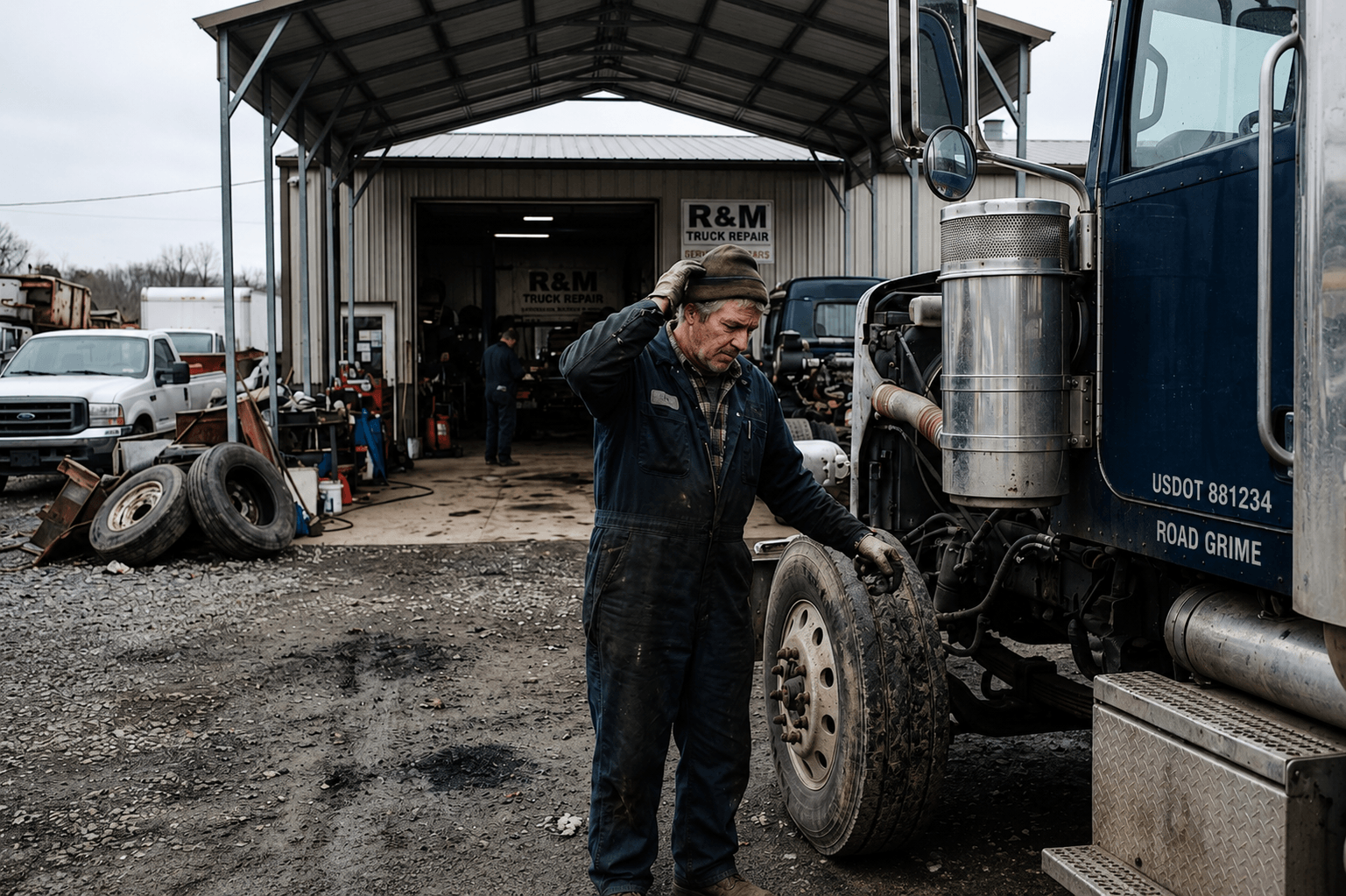
A truck breaks down on a Tuesday with a bad transmission, and the shop wants a deposit before they’ll even order the part. The load that was just delivered last week hasn’t paid out yet and won’t for another three to four weeks once the broker or factoring company processes it. That gap between delivering freight and actually getting paid for it is one of the most common reasons an otherwise profitable owner-operator or small fleet ends up parked instead of running.
Owner-operator and small fleet financing is capital that covers truck repairs, payroll, and other costs that come up between loads, while payment for delivered freight is still working its way through brokers or factoring. Platform Funding offers revenue-based financing, lines of credit, and business loans from $5,000 to $3,000,000 for trucking businesses with at least 6 months in operation and $10,000 or more in monthly revenue, with a 95% approval rate and funding delivered in 24 to 48 hours. For a driver whose truck is sitting idle waiting on a repair, that speed is the difference between one missed week of runs and a much longer stretch of lost revenue.
Why Trucking Runs on a Payment Delay
Freight payment doesn’t work the way most people assume. A driver delivers a load, submits the paperwork, and then waits for the broker or shipper to process payment, which commonly takes 30 to 45 days unless the load was factored for faster payout. In the meantime, the truck still needs fuel, the driver or drivers still need to be paid, and any repair that comes up has to be handled immediately, because a truck that isn’t running isn’t earning, regardless of how much money is technically owed to the business.
This delay is manageable for a fleet with enough cash reserves to smooth over the gap, but it becomes a genuine crisis the moment an unplanned expense hits, particularly a major mechanical repair. A transmission, an engine issue, or a blown turbo can easily run several thousand dollars to repair, and shops routinely want payment upfront or a deposit before starting work, not net-30 terms extended to a trucking company they’ve never worked with before.
What a Breakdown Actually Costs an Owner-Operator
The direct repair cost is only part of the financial hit. A transmission replacement or major engine repair commonly runs $5,000 to $15,000 depending on the truck and the specific failure, and that’s before factoring in the cost of the truck sitting idle while the repair happens. A single truck generating $1,500 to $2,500 a week in typical revenue represents real lost income for every week it’s parked waiting on parts or a repair slot at the shop.
For an owner-operator running one truck, that combination, a large repair bill plus a week or more of lost revenue, can wipe out weeks of profit in a single event. For a small fleet with two or three trucks, one down truck still represents a meaningful chunk of the fleet’s total earning capacity, and covering the repair without disrupting payroll or fuel for the rest of the operation becomes the real challenge.
The timing rarely cooperates either. Breakdowns don’t wait for a slow week or a moment when cash reserves happen to be flush, and a major repair is just as likely to hit during a stretch when the business is already stretched thin covering fuel for multiple trucks or payroll for several drivers. That combination, an unplanned expense landing on top of an already tight week, is exactly the scenario where a business with genuinely strong revenue can still end up unable to cover a repair out of pocket without financing.
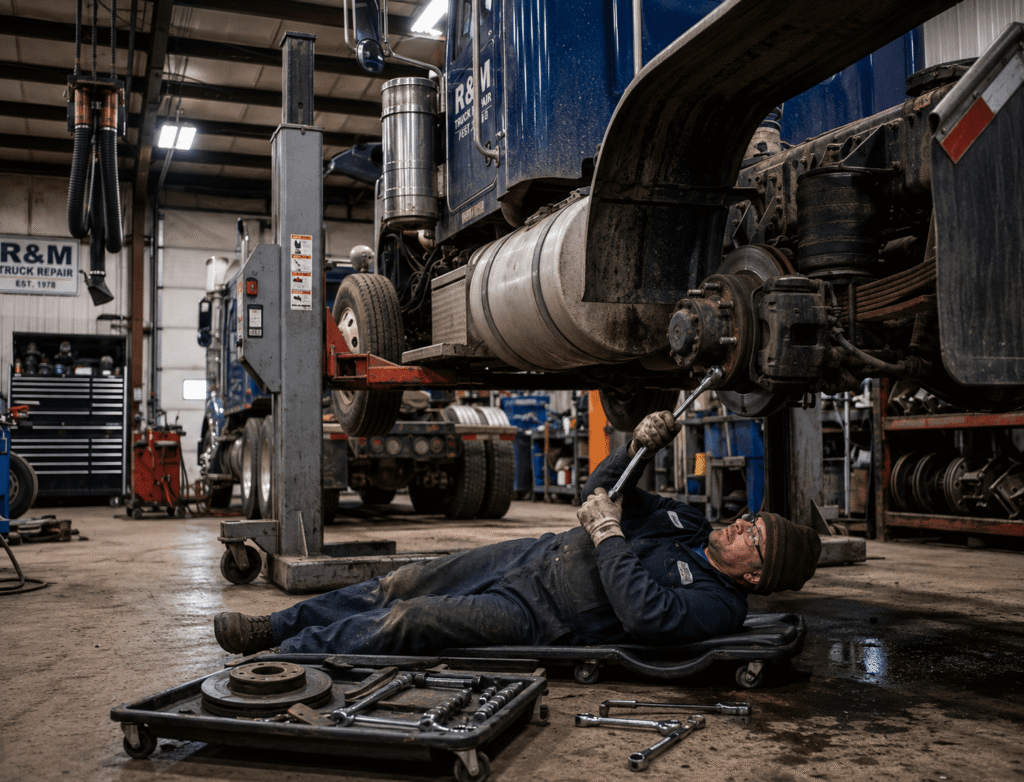
A Memphis Owner-Operator: A Real-World Scenario
An owner-operator running dry van freight out of Memphis, Tennessee, had a truck go down with a transmission failure on a Tuesday. The repair shop quoted $9,200 for the part and labor and wanted a deposit before ordering, with the truck likely out of service for five to seven days once the part arrived. The owner-operator had a load payment of roughly $6,800 pending from a delivery the week before, but it wasn’t due to process for another three weeks.
The driver applied for revenue-based financing the same day, submitting bank statements showing steady monthly revenue from ongoing freight runs. Funding of $10,000 arrived within 24 hours, covering the repair deposit, the remaining labor cost, and a cushion for fuel and expenses while the truck was down. The truck was back on the road within six days, and repayments were structured against the business’s ongoing revenue, so the payment adjusted automatically during the week the truck wasn’t earning.
What Trucking Financing Covers Beyond Repairs
Truck and trailer repairs are the most urgent use case, but owner-operators and small fleets use this type of financing for a range of related needs. Payroll for drivers is a common use, particularly for small fleets where a single truck being down or a client payment being delayed can strain the ability to make payroll on time for the rest of the drivers who are still running loads.
Fuel costs during periods of tight cash flow, insurance premiums and permit renewals that come due on fixed schedules regardless of when freight payments clear, and trailer or equipment purchases when expanding capacity all fall under the same category of need. Platform Funding’s broader guide to financing a transportation business covers trucks, trailers, and equipment loans in more detail for operators planning a larger purchase rather than responding to an unplanned repair.
Revenue-Based Financing vs. a Line of Credit for Trucking
An owner-operator dealing with a single unplanned expense, like the Memphis example above, is usually well served by a lump-sum round of revenue-based financing, since the amount needed and the reason for it are both clear upfront. A line of credit tends to fit small fleets managing the ongoing, unpredictable timing of freight payments across multiple trucks and multiple brokers, where the exact cash need shifts week to week rather than arriving as a single, defined expense.
Some fleets use both over time, drawing on a line of credit to manage the routine payment lag across the fleet while layering in a round of revenue-based financing when a specific repair or equipment purchase comes up outside the normal rhythm. Platform Funding’s trucking business loans page and its transportation industry page both cover how these options apply specifically to trucking operations.
Towing and Related Operations Face the Same Gap
The payment delay isn’t unique to over-the-road freight. Towing operators dealing with insurance companies and municipal contracts often face similarly long payment cycles, needing to cover truck repairs and payroll while waiting on reimbursement from a job that’s already been completed. Platform Funding’s guide to financing a tow truck covers this specific version of the same problem for towing business owners.
Qualification Requirements for Trucking Businesses
Owner-operators and small fleets need at least 6 months in business and $10,000 or more in monthly revenue to qualify, regardless of whether that revenue comes from a single truck or a small fleet running multiple routes. A newer operation that hasn’t yet hit six months of operating history, or one with monthly revenue below the $10,000 threshold, generally isn’t a fit for this type of financing yet.
Approval isn’t automatic. Platform Funding maintains a 95% approval rate among qualified applicants, notably higher than what most trucking businesses experience applying for a traditional bank loan, but underwriting still reviews bank deposit history and overall financial health before extending an offer. Operators comparing this to traditional lending can review the SBA’s overview of business loan programs, and the FTC’s guidance on business credit and financing is worth reviewing before signing any financing agreement.
Get your trucking capital in 24-48 hours
Most owner-operators complete the application in under 15 minutes. No collateral required. Your dedicated account manager reviews your application personally.
Start Your Application →How the Application Process Works
Owner-operators apply through Platform Funding’s online application, providing basic business information along with three to six months of business bank statements. Underwriting reviews deposit history and revenue trends rather than requiring a full tax return package or extensive collateral documentation, which is a major part of why the process moves in hours rather than the weeks a bank loan can take.
Most applicants receive a funding decision the same day they apply, and approved operators typically see funds in their account within 24 to 48 hours of accepting an offer. Platform Funding’s how it works page and its complete guide to revenue-based financing both walk through the underwriting criteria for operators deciding whether this is the right fit before applying.
Equipment Purchases for Growing Fleets
Owner-operators looking to add a second truck, or small fleets expanding capacity, have a different set of needs than a business responding to an unplanned repair. Platform Funding’s equipment leasing option and its business loans product both apply to planned truck and trailer purchases, giving growing operations a way to expand the fleet without depleting the working capital needed to keep existing trucks running and drivers paid.
Why Trust Matters When Choosing a Financing Partner
Owner-operators are, understandably, cautious about who they borrow from, since a bad financing decision can strand a business that depends entirely on trucks staying on the road. Platform Funding has funded more than $2 billion to over 30,000 businesses, holds an A+ rating with the Better Business Bureau, and carries a 4.9 out of 5 rating across 575 verified reviews on Trustpilot. That track record is a reasonable starting point for evaluating a financing partner, though it doesn’t replace an operator’s own due diligence into the specific terms being offered.
See Your Funding Options →Planning for the Gap Before the Next Breakdown
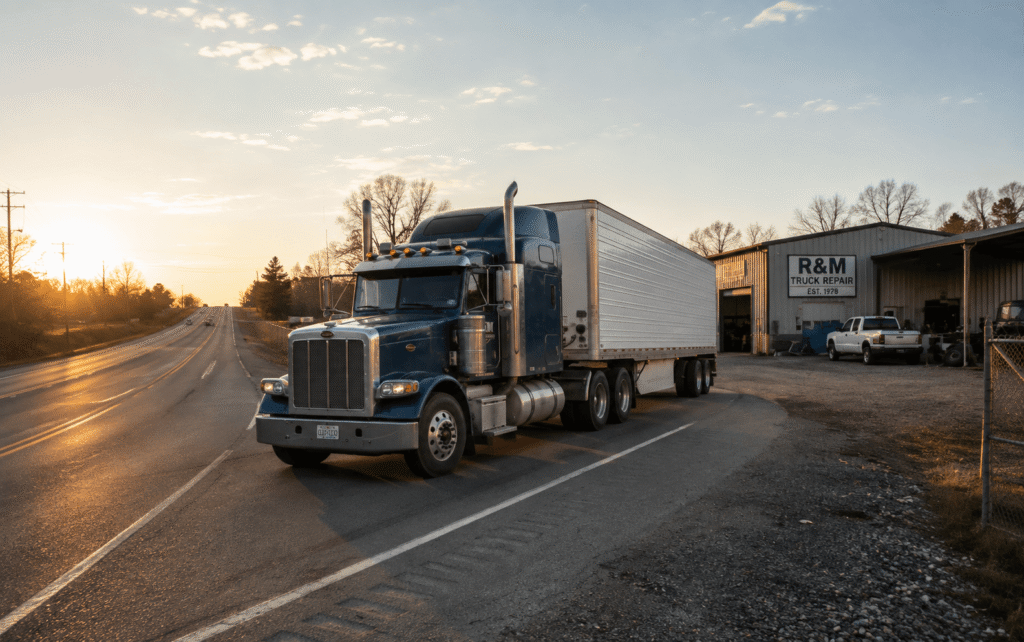
The owner-operators and small fleets who handle this payment gap best are the ones who treat it as an inevitability rather than a surprise, since trucks break down on a schedule nobody gets to choose. Having a financing option already understood, rather than researched for the first time while a truck sits at the shop, means a repair decision gets made in hours instead of days, and a truck gets back on the road while the next load is still available to take.
This kind of preparation compounds over a career on the road. An owner-operator who’s built a relationship with a financing source before the first major breakdown tends to handle the second and third one with far less disruption, since the application process, the underwriting expectations, and the funding timeline are all already familiar. That familiarity turns what could be a business-threatening event into what’s really just a bad week, which is a meaningfully different outcome for a business that depends on every truck staying on the road as much as possible.
Frequently Asked Questions
What is owner-operator and small fleet financing?
Owner-operator and small fleet financing is capital that covers truck repairs, payroll, fuel, and other operating costs that come up between loads, while payment for delivered freight is still working its way through brokers or factoring companies. It’s built for trucking businesses dealing with the standard 30 to 45 day payment delay common in the industry. Platform Funding structures this as revenue-based financing, evaluating the business’s existing revenue rather than requiring the extensive collateral a bank loan typically demands.
Why does trucking involve such a long payment delay?
Freight payment typically takes 30 to 45 days to process after a load is delivered, unless the load was factored for faster payout, because brokers and shippers process payment on their own schedule rather than immediately upon delivery. This delay is standard across the industry and isn’t specific to any one carrier’s creditworthiness or business practices.
How fast can an owner-operator get funded?
Most qualified applicants receive a funding decision the same day they apply, with funds typically arriving in the business bank account within 24 to 48 hours of accepting an offer. This speed matters directly for a truck that’s sitting idle, since a faster funding decision translates into fewer days a truck spends off the road waiting on a repair.
What can this financing be used for besides repairs?
Owner-operators and small fleets also use this type of financing for driver payroll, fuel costs during tight cash flow periods, insurance premiums and permit renewals, and trailer or equipment purchases when expanding capacity. The funding isn’t restricted to a single use case, so it can be applied toward whatever cost is most urgent at the time.
Does my trucking business qualify if it’s fairly new?
A trucking business needs to have been operating for at least 6 months and generate at least $10,000 in monthly revenue to qualify. Operations with less than 6 months of history typically aren’t a fit for this type of revenue-based financing and should revisit the option once they’ve built a longer track record.
How is this different from freight factoring?
Freight factoring advances payment on a specific delivered load in exchange for a fee, while revenue-based financing provides capital based on the business’s overall revenue history rather than any single invoice. Some operators use both, factoring specific loads for immediate cash while using revenue-based financing for larger or less predictable needs like a major repair.
What documents does an owner-operator need to apply?
Applicants typically provide three to six months of business bank statements along with basic business information through Platform Funding’s online application. Because underwriting is based on deposit history and revenue trends rather than a full tax return package, the documentation required is lighter than what a traditional bank loan application would demand.
Can a single-truck owner-operator qualify, or is this only for larger fleets?
Single-truck owner-operators can qualify as long as the business meets the baseline requirements of 6 months in operation and $10,000 or more in monthly revenue. This financing isn’t restricted to larger fleets, and many single-truck operators use it for the same reasons small and mid-size fleets do, including unplanned repairs and payroll timing.
How much funding can a trucking business receive?
Platform Funding offers financing from $5,000 to $3,000,000, with the specific amount determined by the business’s revenue history and overall financial profile during underwriting. A single-truck operator will typically qualify for an amount toward the lower end of that range, while an established small fleet with strong revenue may qualify for significantly more.
What happens if freight volume slows down after I’ve received funding?
Because repayments on revenue-based financing are structured as a percentage of the business’s ongoing revenue rather than a fixed payment, a slower period with fewer loads typically results in a smaller repayment rather than a missed or strained payment. This is one of the core differences between revenue-based financing and a traditional fixed-payment bank loan.
Get ahead of the next repair before it happens
Apply now so financing is already in place the next time a truck goes down. Most applications are decided the same day, with funds in 24 to 48 hours.
Start Your Application →