

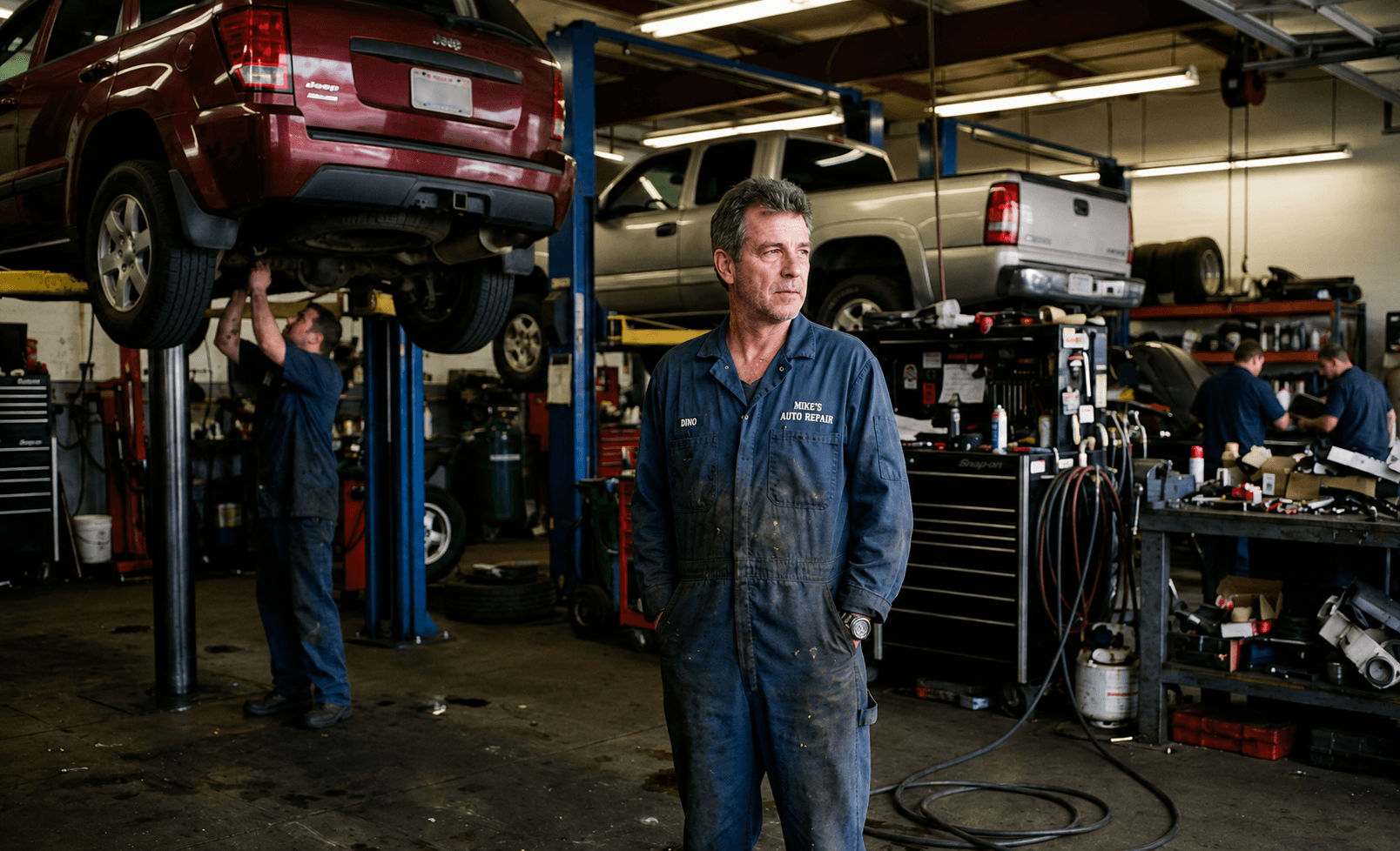
A busy auto repair shop turns away three cars in one afternoon, not because the work is too complex, but because every lift is occupied and the diagnostic bay is booked solid until next week. That’s a shop with more demand than capacity, and the fix, adding a lift or a dedicated diagnostic bay, comes with a bill that often runs well into five figures before a single additional car gets serviced.
Auto repair shop equipment financing is capital that covers the cost of adding lifts, diagnostic scanners, alignment machines, and other bay equipment, allowing a shop to expand capacity without paying the full cost upfront. Platform Funding offers revenue-based financing, lines of credit, and business loans from $5,000 to $3,000,000 for shops with at least 6 months in business and $10,000 or more in monthly revenue, with a 95% approval rate and funding delivered in 24 to 48 hours. For a shop owner turning away paying customers every week, that timeline means the new bay can go from a plan on paper to generating revenue in days rather than months.
Why Shop Capacity Becomes the Bottleneck
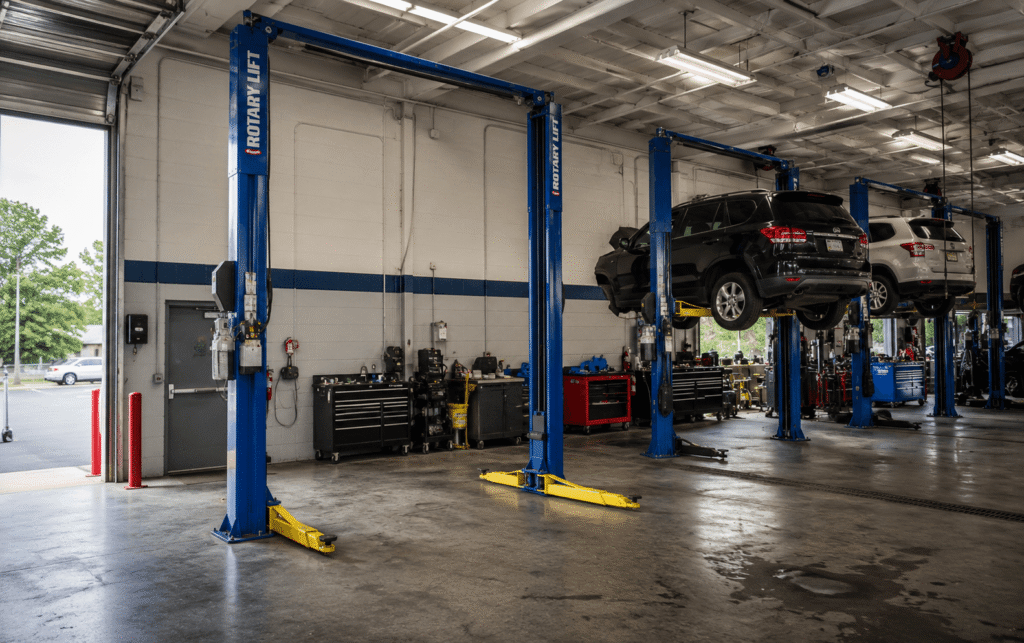
Most auto repair shops don’t lose business because they lack skilled technicians or a strong reputation. They lose it because physical capacity, the number of lifts, bays, and diagnostic stations available at any given time, caps how much work the shop can take on in a day. A shop with two lifts can only service two vehicles at once regardless of how many customers are calling for an appointment, and once those slots fill up for the week, every additional customer either waits or goes to a competitor down the street.
This is a good problem to have in the sense that it means demand exceeds supply, but it’s still a real constraint on revenue. A shop owner watching customers get turned away week after week is, in effect, watching potential income walk out the door, and the only real fix is adding the physical capacity to say yes to more of that work.
The math tends to get clearer the longer a shop puts off the decision. A shop turning away even two or three vehicles a week at an average repair ticket of a few hundred dollars is leaving a meaningful amount of monthly revenue on the table, revenue that would easily cover the cost of financing a new bay within a matter of months. Shop owners who track how often they’re saying no to work, rather than just noticing it in passing, usually find the number is higher than they expected once they actually add it up over a full month.
What a Second Bay Actually Costs
Equipment costs for a shop expansion add up fast. A quality two-post or four-post lift typically runs $4,000 to $10,000 depending on capacity and brand, installation included. A modern diagnostic scanner capable of handling current vehicle electronics can run $3,000 to $8,000 on its own, and shops adding alignment capability are looking at a machine that often costs $15,000 to $25,000 installed. Add in the electrical and structural work sometimes required to support new equipment, and a single new bay with a lift and diagnostic capability can easily land between $15,000 and $35,000 before the shop services a single additional vehicle.
That’s a significant cash outlay for a business that, unlike a retailer building up inventory, doesn’t generate any revenue from the new equipment until it’s fully installed and a technician is trained to use it. Paying for it entirely out of operating cash means either draining reserves the shop needs for day-to-day expenses or delaying the expansion for months while cash slowly accumulates, all while customers keep getting turned away in the meantime.
A Tulsa Auto Repair Shop: A Real-World Scenario
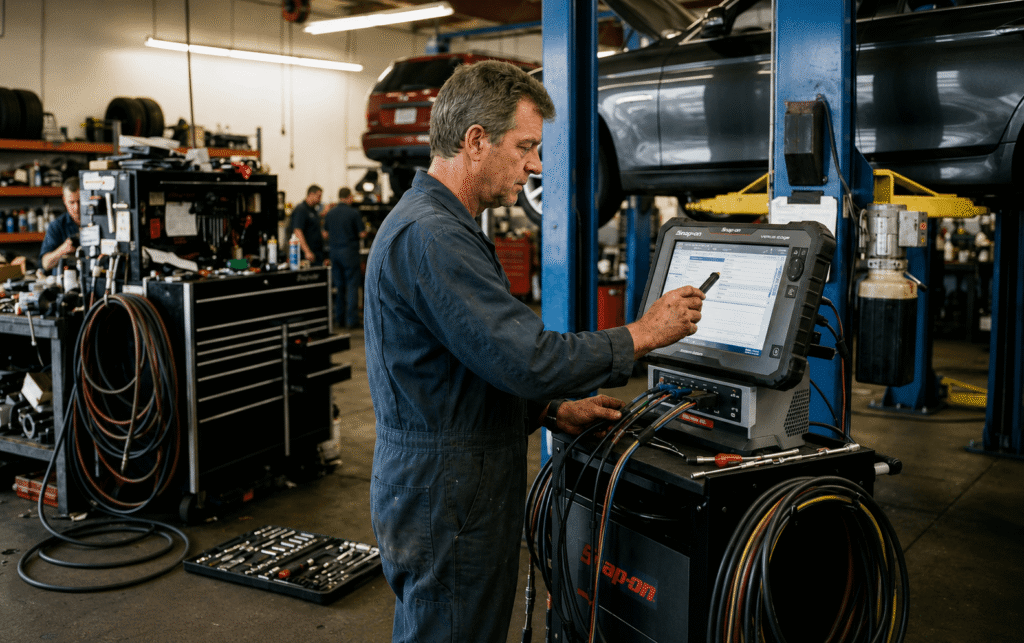
An independent auto repair shop in Tulsa, Oklahoma, with two lifts and a strong local reputation for diesel and diagnostic work, had been turning away three to five vehicles a week for lack of bay capacity. The owner priced out a third lift along with an upgraded diagnostic scanner capable of handling newer vehicle electronics, coming to just under $18,000 installed.
The shop applied for revenue-based financing, submitting six months of bank statements showing consistent monthly revenue from its existing two-bay operation. Funding of $18,500 arrived in the shop’s account within 48 hours, covering the lift, the scanner, and installation without touching the shop’s cash reserves. The third bay was operational within three weeks, and the shop’s technician immediately began booking the previously turned-away diagnostic and diesel work into the new slot, with the added revenue covering the financing’s repayment within the first two months.
What Auto Repair Shop Financing Covers
Equipment purchases like lifts, diagnostic scanners, and alignment machines are the most common use, but shops also use this type of financing for a broader set of expansion needs. Tool and equipment upgrades for existing bays, replacing an aging lift or adding air conditioning recharge equipment as vehicle service needs evolve, are a frequent use case that doesn’t require adding a whole new bay to justify the cost.
Working capital to smooth over slower seasonal months, such as a dip in business during a mild winter when fewer customers need AC repair or a lull between routine maintenance cycles, is another common application. Facility improvements, including expanding the physical footprint of a shop to fit additional bays or upgrading the customer waiting area, round out the most frequent uses, particularly for shops that have simply outgrown the building they started in.
Revenue-Based Financing vs. Equipment Leasing for Shops
Shop owners often ask whether a lump-sum round of revenue-based financing or equipment leasing makes more sense for a specific piece of equipment, and the answer depends on whether the shop wants to own the equipment outright. Revenue-based financing gives the shop the cash to purchase equipment directly, meaning the shop owns the lift or scanner from day one and isn’t tied to an ongoing lease payment for equipment it may want to keep using for a decade or more.
Equipment leasing can make sense for shops that want to avoid a larger upfront purchase or that expect to upgrade specific equipment, like diagnostic scanners tied to rapidly changing vehicle electronics, more frequently. Many shop owners use revenue-based financing for durable equipment like lifts that will last many years, while considering leasing for technology that’s likely to need replacing sooner. Platform Funding’s what we offer page covers how both products work in more detail, and shops weighing this decision against other product types may also find it useful to compare revenue-based financing against a line of credit directly.
Qualification Requirements for Auto Repair Shops
Shops need at least 6 months in business and $10,000 or more in monthly revenue to qualify, regardless of whether the shop specializes in general repair, diagnostics, diesel work, or a specific vehicle brand. A shop that’s been open less than six months, or one with monthly revenue below the $10,000 threshold, generally isn’t a fit for this type of financing yet and should revisit the option once it has a longer operating history.
Approval isn’t guaranteed for every applicant. Platform Funding maintains a 95% approval rate among qualified shops, notably higher than what most auto repair businesses experience applying for a traditional bank loan, but underwriting still reviews bank deposit history and overall financial health before extending an offer. Shop owners comparing this to traditional lending can review the SBA’s overview of business loan programs, and the FTC’s guidance on business credit and financing is worth reviewing before signing any financing agreement.
See Your Funding Options →How the Application Process Works
Shop owners apply through Platform Funding’s online application, providing basic business information along with three to six months of business bank statements. Underwriting reviews deposit history and revenue trends rather than requiring a full tax return package or extensive collateral documentation, which is a major reason the process moves in days instead of weeks.
Most applicants receive a funding decision the same day they apply, and approved shops typically see funds in their account within 24 to 48 hours of accepting an offer. Platform Funding’s how it works page and its complete guide to revenue-based financing both walk through the underwriting criteria for shop owners deciding whether this is the right fit before applying.
Automotive Financing Options Beyond Equipment
Shops evaluating their financing options should know equipment purchases aren’t the only path available. Platform Funding’s automotive repair line of credit page covers an ongoing credit option for shops managing ordinary cash flow swings rather than a single large purchase, and the automotive repair revenue-based financing page covers the broader product for shops with a defined capital need. The automotive industry page provides an overview of how Platform Funding works with the sector generally, and shops that operate heavier equipment alongside their bay work may also find the construction equipment financing guide relevant for financing larger machinery.
Get Your Auto Repair Shop Capital in 24-48 Hours
Why Trust Matters When Choosing a Financing Partner
Shop owners are, understandably, careful about who they borrow from, since equipment financing decisions directly affect the shop’s ability to serve customers reliably. Platform Funding has funded more than $2 billion to over 30,000 businesses, holds an A+ rating with the Better Business Bureau, and carries a 4.9 out of 5 rating across 575 verified reviews on Trustpilot. That history is a reasonable starting point for evaluating a financing partner, though it doesn’t replace a shop owner’s own research into the specific terms being offered.
Deciding Whether to Expand Now
The math on adding a bay is usually straightforward once a shop owner lays it out: a lift and diagnostic scanner costing $15,000 to $35,000 installed, weighed against the revenue from the customers currently being turned away every week. For a shop consistently losing business to a lack of capacity, the cost of waiting to save up the cash often exceeds the cost of financing the equipment now and putting it to work immediately. The shops that expand deliberately, with financing lined up before the decision becomes urgent, tend to come out ahead of the ones that keep turning customers away while they wait to afford the fix outright.
This decision also tends to compound over time in a shop’s favor once the new bay is running. Additional capacity doesn’t just capture the work that was previously turned away, it also gives a shop room to take on larger jobs, bigger fleet accounts, or a wider range of vehicle types that simply weren’t practical to service with limited bay availability. Shop owners who’ve gone through an expansion like this often describe it less as a single decision and more as the point where the business stopped being capacity-constrained and started being able to grow on its own terms.
Frequently Asked Questions
What is auto repair shop equipment financing?
Auto repair shop equipment financing is capital that covers the cost of adding lifts, diagnostic scanners, alignment machines, and other bay equipment so a shop can expand its service capacity without paying the full cost upfront. It’s built for established shops that need to invest in equipment before that equipment generates any revenue. Platform Funding structures this as revenue-based financing, evaluating the shop’s existing revenue rather than requiring the extensive collateral a bank loan typically demands.
How much does it cost to add a lift or diagnostic bay?
A quality two-post or four-post lift typically runs $4,000 to $10,000 installed, and a modern diagnostic scanner can run $3,000 to $8,000. Shops adding alignment capability should expect $15,000 to $25,000 installed, and a full new bay with a lift and diagnostic equipment often lands between $15,000 and $35,000 total once electrical or structural work is factored in.
How fast can a shop get funded?
Most qualified shops receive a funding decision the same day they apply, with funds typically arriving in the shop’s bank account within 24 to 48 hours of accepting an offer. This is significantly faster than a traditional bank loan, which can take weeks or months to process and often doesn’t match the pace at which a shop is losing business to limited capacity.
What can this financing be used for besides new equipment?
Shops also use this type of financing for tool and equipment upgrades in existing bays, working capital during slower seasonal months, and facility improvements like expanding a shop’s physical footprint or renovating a customer waiting area. The funding isn’t restricted to one use case, so a shop can apply it toward whatever expansion need is most pressing.
Does my shop qualify if it’s fairly new?
A shop needs to have been operating for at least 6 months and generate at least $10,000 in monthly revenue to qualify. Shops with less than 6 months of operating history typically aren’t a fit for this type of revenue-based financing and should revisit the option once they’ve built a longer track record.
Should I finance equipment or lease it?
Revenue-based financing gives a shop ownership of the equipment from day one, which tends to make sense for durable equipment like lifts that will be in use for a decade or more. Equipment leasing can make more sense for technology like diagnostic scanners that’s likely to need upgrading more frequently as vehicle electronics evolve, since it avoids a larger upfront purchase for equipment with a shorter useful life.
What documents does a shop need to apply?
Applicants typically provide three to six months of business bank statements along with basic business information through Platform Funding’s online application. Because underwriting is based on deposit history and revenue trends rather than a full tax return package, the documentation required is lighter than what a traditional bank loan application would demand.
Is revenue-based financing the same as a merchant cash advance?
No, revenue-based financing and a merchant cash advance are structured differently. Platform Funding’s product is built around a shop’s ongoing revenue, with repayments that adjust based on actual business performance rather than a fixed daily withdrawal regardless of how business is going. It’s worth asking any financing provider directly how their specific repayment structure works.
How much funding can a shop receive?
Platform Funding offers financing from $5,000 to $3,000,000, with the specific amount determined by the shop’s revenue history and overall financial profile during underwriting. A smaller shop with modest monthly revenue will typically qualify for an amount toward the lower end of that range, while a larger, multi-bay operation with strong revenue may qualify for significantly more.
What happens if business slows down after I’ve financed new equipment?
Because repayments on revenue-based financing are structured as a percentage of the shop’s ongoing revenue rather than a fixed payment, a slower month typically results in a smaller repayment rather than a missed or strained payment. This is one of the core differences between revenue-based financing and a traditional fixed-payment bank loan, designed specifically to reduce strain during seasonal dips in business.