

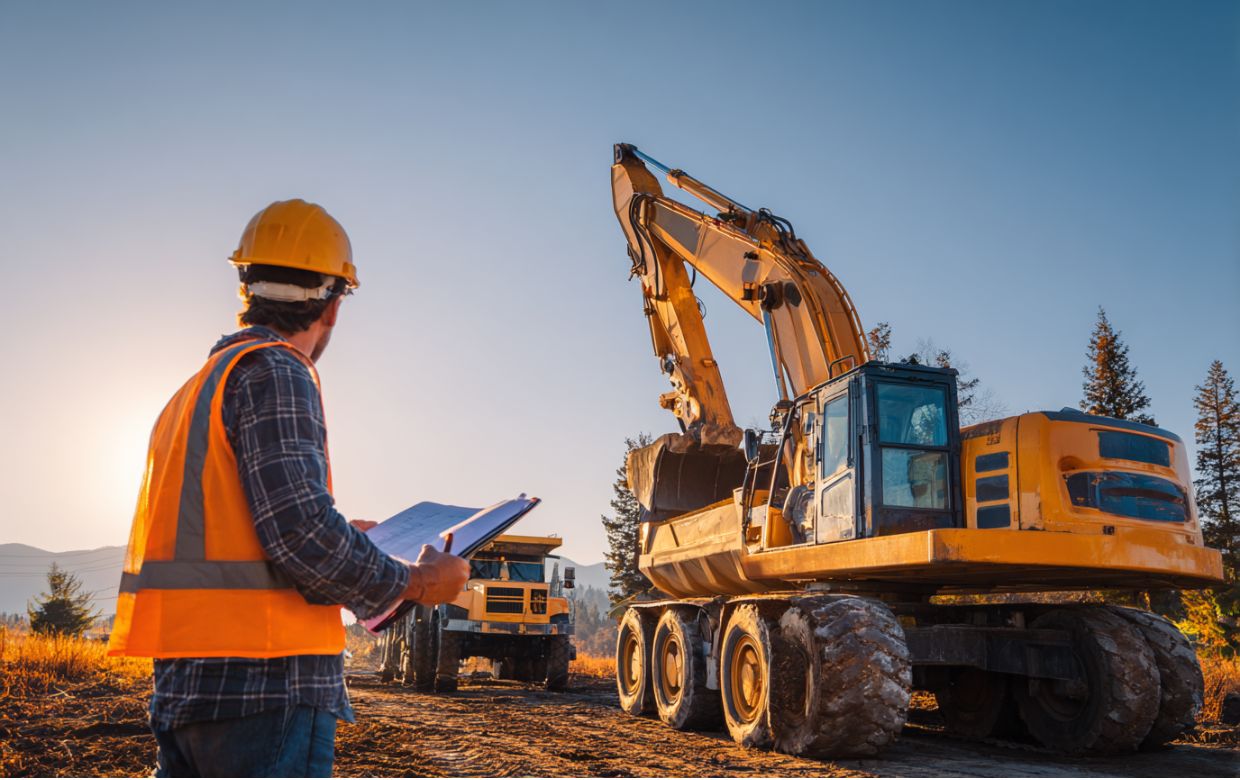
Construction equipment for the spring 2026 season is typically financed by applying in March or early April, allowing time for approval, equipment ordering, and delivery before May projects start. Financing amounts commonly range from $15,000 to $500,000, with funding decisions often completed within 24–48 hours depending on lender requirements. Most construction equipment qualifies for the Section 179 deduction, which allows eligible businesses to deduct the full purchase price in the year the equipment is placed in service, subject to IRS limits. Payment structures may vary, including options designed to align with seasonal construction revenue.
Six Weeks to Construction Season
Six weeks is often all that stands between planning and active construction season. By early May, many projects begin, crews mobilize, and equipment availability becomes a deciding factor in whether work can move forward on schedule.
Equipment decisions made in March often determine which contractors are ready when projects begin and which must delay work due to financing or delivery constraints, making early construction business financing decisions critical. Because many suppliers require lead time, equipment financing timelines directly affect operational readiness.
Applying early helps reduce the risk of delayed equipment delivery, limited availability, and missed project opportunities tied to the cost of equipment downtime during peak season.
Why March Is a Critical Equipment Financing Window
Construction operates on seasonal cycles rather than calendar quarters, creating predictable seasonal cash flow challenges for many contractors. Spring thaw enables site work, summer sustains project momentum, and fall often becomes a race to complete jobs before weather conditions change.
For many contractors, the late spring through early fall period represents the most active portion of the year. Equipment financing decisions made too late can push delivery into peak season, when equipment demand and supplier backlogs are typically higher.
Most equipment purchases require both financing approval and delivery time, which can range from 2 to 6 weeks depending on the equipment type and supplier. Applying in March allows contractors to plan equipment delivery closer to the start of active projects.
Common Equipment Financing Needs ($15,000–$500,000)
Excavators and Earthmoving Equipment
- Mini excavators: approximately $75,000–$120,000
- Standard excavators: approximately $150,000–$250,000
- Skid steers: approximately $45,000–$85,000
- Bulldozers: often exceed $180,000 depending on size and configuration
These assets are commonly used across residential, commercial, and infrastructure projects and typically require advance planning due to availability and transport logistics.
Trucks and Transportation
- Dump trucks: approximately $50,000–$90,000
- Flatbed trucks: approximately $45,000–$75,000
- Box trucks: approximately $40,000–$65,000
- Heavy-haul trucks: often exceed $80,000
Vehicle availability can vary by market and season, making early financing important for fleet readiness. Many contractors explore proven fleet financing strategies when upgrading vehicles, especially when evaluating dump truck financing options for construction and hauling work.
Specialty Equipment
- Forklifts: approximately $25,000–$60,000
- Cranes: frequently exceed $100,000 depending on capacity
- Air compressors and generators: typically $12,000–$40,000
While often purchased for specific use cases, these assets still require lead time and coordination with project schedules.
Trailers and Transport Equipment
- Equipment trailers: approximately $8,000–$25,000
- Lowboy trailers: approximately $20,000–$45,000
Transport equipment is sometimes overlooked during planning but is essential for mobilizing financed assets.
Section 179: Equipment Tax Considerations for 2026
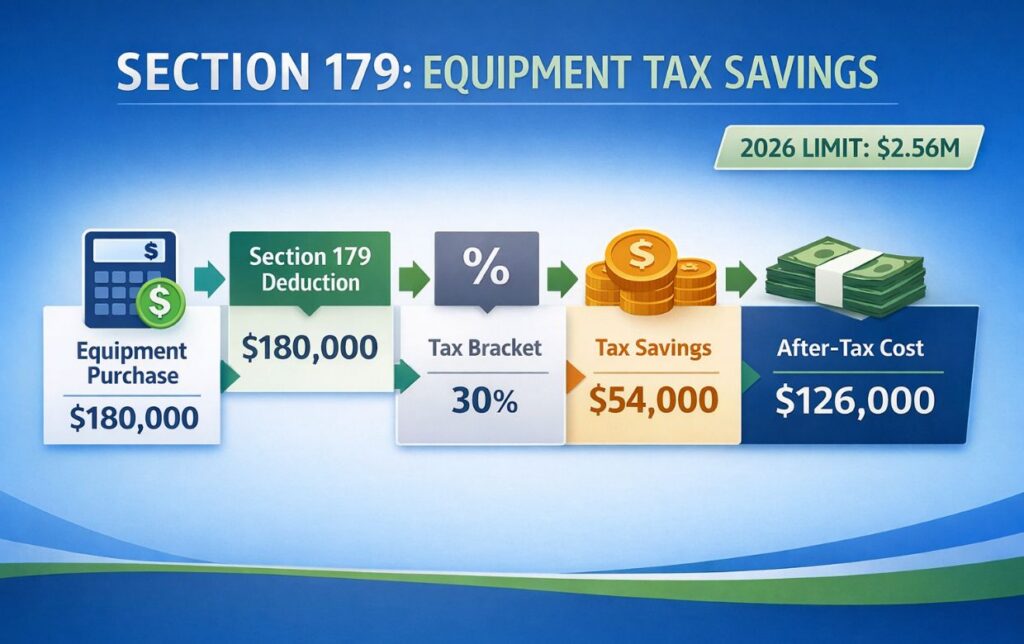
Under Section 179, eligible businesses may deduct the full purchase price of qualifying equipment in the year it is placed into service, subject to IRS limits.
For 2026:
- Maximum deduction limit: $2.56 million
- Phase-out threshold: $4.09 million
Most tangible business-use construction equipment, including vehicles, machinery, and tools, generally qualifies. Actual tax impact depends on the business’s taxable income and overall financial situation. Contractors should consult a qualified tax professional to confirm eligibility and deduction amounts.
Purchasing equipment earlier in the year may allow businesses to both utilize equipment during active months and claim deductions within the same tax year, a consideration often addressed in tax-season financing strategies.
Revenue-Based and Seasonal Payment Structures
Construction revenue is often seasonal. Some financing options are structured to account for revenue variability by adjusting payment amounts based on business performance rather than requiring fixed monthly payments, including revenue-based financing models designed to support flexible funding for seasonal businesses.
These structures may help businesses:
- Reduce payment strain during slower periods
- Align higher payments with higher revenue months
- Maintain predictable cash flow management
Terms and availability vary by provider, and businesses should review repayment structures carefully before committing.
Finance vs. Lease: Making the Right Choice
Choosing between financing and leasing often comes down to long-term cost, flexibility, and operational needs. For many contractors, deciding whether to lease or buy equipment is closely tied to cash flow strategy and the potential benefits of using equipment leasing to stay competitive without overextending capital.
Financing (purchasing) is often considered for:
- Long-term equipment with extended useful life
- Businesses seeking ownership and asset equity
- Equipment that may qualify for Section 179 deductions
Leasing may be appropriate for:
- Short-term or project-specific needs
- Equipment with rapid technological changes
- Situations where maintenance inclusion is preferred
Some businesses use a hybrid approach—financing core equipment while leasing specialized or temporary assets.
Your March Equipment Preparation Plan
Week 1:
Identify equipment needs, confirm supplier lead times, and estimate total capital requirements.
Week 2:
Submit financing applications and prepare required documentation.
Week 3:
Review financing terms and confirm delivery schedules with suppliers.
April:
Coordinate equipment delivery, crew preparation, and project timelines.
May:
Enter construction season with equipment in place and projects ready to begin.
Frequently Asked Questions
How fast can construction equipment financing be approved?
Approval timelines vary by lender. Some alternative financing providers issue decisions within 24–48 hours once required documentation is submitted, while traditional lenders may take longer.
Does equipment financing qualify for Section 179?
Most qualifying business-use construction equipment may be eligible under Section 179 if purchased and placed into service during the tax year, subject to IRS rules.
Can used construction equipment be financed?
Many lenders finance used equipment, provided it meets condition and valuation requirements. Eligibility varies by provider.
What if my business has seasonal revenue?
Some financing structures are designed to align repayment with revenue performance, which may help seasonal businesses manage cash flow more effectively.
Is it better to finance or lease equipment?
The choice depends on equipment lifespan, tax strategy, project duration, and ownership goals. Reviewing total cost and operational needs is recommended.
Take the Next Step
Spring construction season allows little margin for delay. Planning equipment financing early can help reduce delivery risk and support smoother project execution.
Platform Funding provides construction-focused financing options alongside other alternative business funding options designed to support seasonal businesses with time-sensitive capital needs.
Ready to explore your options?
Apply online or speak with a specialist to review equipment financing solutions for spring 2026.
📞 (866) 473-1455
🔗 https://platformfunding.com/apply-now/